Rehabs in New Jersey
This guide helps you compare rehabs in New Jersey using only SAMHSA listings. It covers only the 330 SAMHSA-listed facilities, from detox to outpatient, and how to check payment options. Use it to shortlist programs and check details before you call. A referral helpline is available if you want help finding a center that matches your needs.

New Jersey overdose data
New Jersey recorded 1,448 overdose deaths in the 12 months ending May 2026, a 17% decrease from the prior period, according to CDC. Cocaine was involved in 658 deaths and opioids in 1,129, with fentanyl in 984. Use these numbers as context, not as a reason to delay or rush a decision. Compared with the prior 12 months, heroin deaths fell to 67 and methamphetamine deaths to 133. Any death is a reminder that help should be easy to find.
| Drug | Past year | Prior year | Difference |
|---|---|---|---|
| All drug overdose fatalities | 1,448 | 1,754 | -17% |
| Any opioid | 1,129 | 1,411 | -20% |
| Fentanyl and synthetic opioids | 984 | 1,283 | -23% |
| Heroin | 67 | 118 | -43% |
| Opioid pain prescriptions | 158 | 171 | -8% |
| Methamphetamine | 133 | 186 | -28% |
| Cocaine | 658 | 840 | -22% |
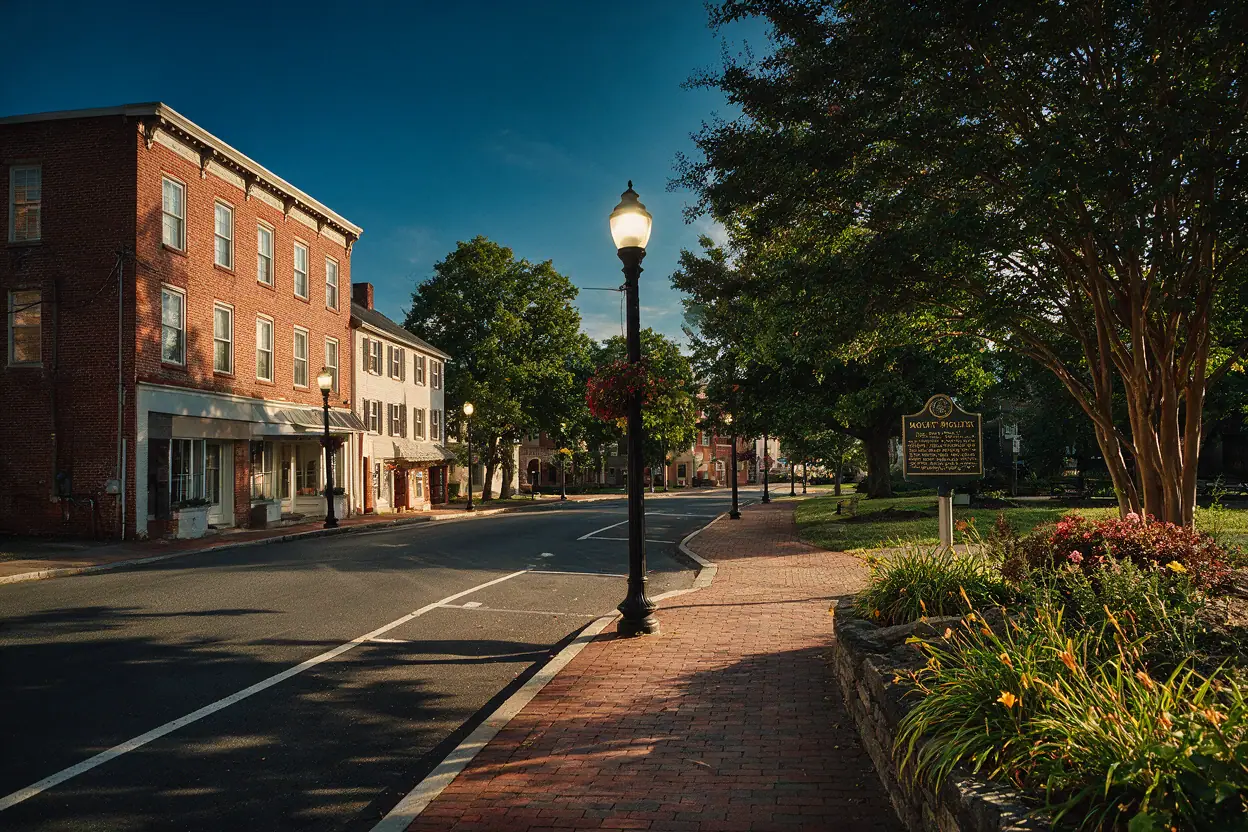
SAMHSA lists 4 rehab facilities each in Asbury Park, Brick, Mount Holly, Eatontown, Fair Lawn, Flemington, and Hackensack, and 5 in Paterson. A wider town spread means you may not need to travel to Newark or Camden for care. If you live near Paterson, SAMHSA lists five facilities there, which may ease family visits and follow-up appointments. Local programs also connect you to regional outpatient services and peer support. When you compare rehab centers in New Jersey, check whether a nearby location offers the specific level of care you need, since not every town has every service. The 330 total includes all listed facilities; this site has detailed pages for 23 centers, so use the directory for those and call the helpline for others.
Centers rated 4.0+ on Google
These centers from our directory hold a Google rating of at least 4.0 across 10 or more reviews; the order is by number of reviews. The ratings were read in November 2026 and do not rank care.
-
SOBA New Jersey
New Brunswick, NJ30 daysJoint Commission
Co-Occurring Mental Health, Outpatient
SOBA New Jersey New Brunswick provides outpatient care from Bayard Street.
4.9523 Google reviews
-
Blue Star Recovery
Hazlet, NJ30 days
Co-Occurring Mental Health, Outpatient
Based in Hazlet, New Jersey, Blue Star Recovery provides outpatient rehabilitation.
4.856 Google reviews
-
New Life Medical Detoxification
Marlton, NJ30 daysJoint Commission
Co-Occurring Mental Health, Outpatient, Detox
New Life Medical Detoxification offers outpatient detox and rehabilitation in Marlton, and it is one of 330 facilities in New Jersey that appear in SAMHSA listings.
4.928 Google reviews

When you call our referral helpline, you can ask about your location and what you are looking for, and we can suggest SAMHSA-listed programs among the 330 in New Jersey. The call is free and confidential and you are under no obligation to follow any suggestion. They may ask whether you have insurance or Medicaid and whether you need detox or outpatient care. They can also point you to 988 for a mental health crisis. This site is an independent directory with a referral helpline, drawing numbers from SAMHSA's FindTreatment.gov, with a facility count dated November 2026. No one promises coverage or admission, and you decide whether to contact any program.

Alcohol and drug treatment in New Jersey
New Jersey's 330 listed facilities include 36 that offer detox for alcohol and 46 for opioids, according to SAMHSA. Alcohol use disorder medications are offered at 219 facilities; SAMHSA notes that the medications approved for alcohol use disorder are naltrexone, acamprosate and disulfiram, used together with counseling. For opioid use disorder, 237 facilities offer medication treatments, including buprenorphine (237) and naltrexone (232); SAMHSA notes that the medications used for opioid use disorder are buprenorphine, methadone and naltrexone. If you are comparing rehabs in New Jersey for a specific substance, ask each program whether it offers medication-assisted treatment and what treatments it uses, such as cognitive behavioral therapy or 12-step facilitation. A clinician or the program can explain the approaches available and help you find what fits your history.
Rehabs in New Jersey: care levels
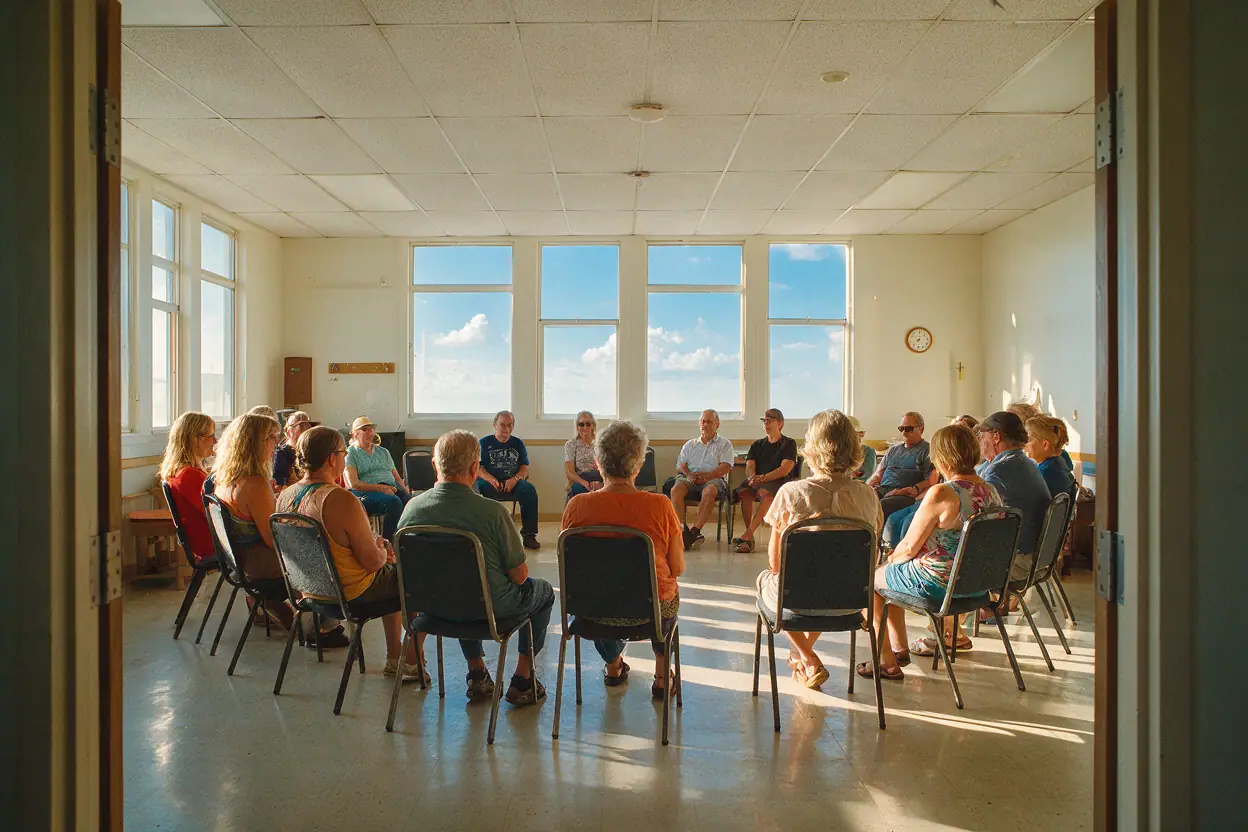
SAMHSA's 2026 data for New Jersey lists 46 detox facilities, 53 residential programs, 283 outpatient rehabs, and 237 offering medication for opioid use disorder. A clinician or the program can explain how levels of care differ in intensity and setting and help you find a fit.
SAMHSA describes the levels of care broadly: detox addresses withdrawal and may take place in a hospital or stand-alone unit, residential provides 24/7 care, and outpatient ranges from a few visits a week to intensive programs; a clinician or the program can explain what fits your situation. If you are not sure which level fits, a clinician or the program can explain what a screening assesses. Insurance and state funding often determine what you can access; Medicaid is accepted at 228 facilities, and New Jersey has adopted Medicaid expansion (KFF, October 16, 2026). When comparing rehabs in New Jersey, ask each program how many days a week you attend and what treatments are included. SAMHSA describes treatment settings as outpatient, intensive outpatient, partial hospitalization (day treatment), residential and hospital inpatient, and detoxification can be offered in several of them.
Paying at rehabs in New Jersey
For rehabs in New Jersey, 228 facilities accept Medicaid, 261 accept private insurance, and 136 offer sliding-scale fees, according to SAMHSA listings from November 2026. Sliding-scale fees at 136 facilities adjust costs based on income. New Jersey has adopted Medicaid expansion, so more low-income adults may qualify for coverage through NJ FamilyCare, the state's Medicaid program. Also, 69 facilities report offering financial assistance and 4 list no fee, though availability varies. With 153 facilities receiving block grant funding, some state-funded treatment slots may be available through county or state programs.
If you have private insurance, verify whether a facility is in-network before you commit; 149 also accept Medicare, while 125 accept TRICARE. When comparing rehab centers in New Jersey, ask directly about payment plans and what documents you need to apply for assistance.
- take Medicaid
- 228
- have private coverage
- 261
- take Medicare
- 149
- have a sliding-fee scale
- 136

Checking a facility with the state
You can check a New Jersey facility's licensing status through the Department of Human Services Office of Licensing, whose page was read on November 15, 2026. That office oversees residential and outpatient programs. The page may confirm whether a facility holds a current license or certification. This site does not claim that any facility is or is not licensed; that information changes. Use the state page to verify before you commit to a program. If you cannot find a facility there, ask the program directly for its license number.
Therapies to ask about
Programs often describe approaches such as cognitive behavioral therapy (CBT), dialectical behavior therapy (DBT), 12-step facilitation, and trauma-informed care; SAMHSA and MedlinePlus offer general information on each, and a clinician or the program can explain them. SAMHSA does not rank which works best, so ask each program which methods it uses and how often sessions occur. When you compare programs in New Jersey, ask how many individual and group sessions you would have each week and whether therapists are licensed.
Help for families
A family member can call a program or the helpline on someone's behalf, though the person seeking treatment usually needs to consent to share details. Have ready the person's age, substances used, any medical conditions, insurance information, and current location. Ask about family sessions, visiting hours, and whether the program offers education for loved ones. If your family member is in immediate danger, call 911 rather than a helpline. For a mental health crisis, call or text 988.

Admission and length of stay
Admission usually starts with a phone screening, an insurance check, an assessment, and then a start date. A clinician or the program can explain the assessment and how it relates to level of care and length of stay.
Check your coverage
Find out whether you have Medicaid, NJ FamilyCare, private insurance, or will pay yourself. You can call the number on your card to ask what treatment is covered and whether you need a referral.
List your needs
Think about whether you need detox, residential, or outpatient care, and whether medication for opioid use disorder or alcohol use disorder is part of the plan; a clinician or the program can explain these options. Also note any mental health condition to treat alongside.
Shortlist and verify
Use SAMHSA listings to find only 3 to 5 programs that match your payment method, location, and level of care. Call each to confirm availability, accreditation, and what the daily schedule looks like.
Complete the assessment
A clinician or the program can explain how an assessment guides the length of stay.
Common questions
How long is an average stay in treatment?
A clinician or the program can explain what determines the length of stay. Ask each center how it decides duration and whether it offers step-down care. SAMHSA lists 330 facilities in New Jersey, and they do not report a standard length of treatment.
Does NJ FamilyCare cover treatment?
Yes, NJ FamilyCare (New Jersey's Medicaid program) generally covers substance use disorder treatment, and 228 facilities in the state accept Medicaid, according to SAMHSA, and each center sets its own intake process. Confirm with the center and your Medicaid managed care organization before you start. The state expanded Medicaid, so more adults may qualify.
Are there different types of programs?
Yes, the main types are detox (46 facilities), residential (53), outpatient (283), and medication treatments for opioid use disorder (237), per SAMHSA. Each offers a different intensity and setting. Some programs combine several levels. Ask which levels a center provides and how it decides what you need.
Who pays for inpatient care?
Payment can come from private insurance (accepted at 261 facilities), Medicaid (228), Medicare (149), or self-pay (314). Some facilities offer sliding-scale fees (136) or financial assistance (69). Block grant funding (153 facilities) may support some slots. Check with each program about what you qualify for and what documents you need.
Where can I find free therapy in New Jersey?
SAMHSA lists 4 facilities in New Jersey that report offering no-fee services, and 136 offer sliding-scale fees. A center that offers free options may also be found through state-funded programs or community mental health centers. Call the helpline or 211 for local resources. Availability changes, so confirm directly.
How does drug court work in NJ?
Drug court is a court-supervised program that connects eligible people to treatment instead of incarceration. Requirements and availability are set by the court, not by treatment facilities. If you are involved with drug court, ask your case manager which local programs are approved. SAMHSA listings do not indicate drug court status.